1. What is dielectric grease?
Dielectric grease is a non-conductive, silicone-based lubricant used to protect electrical connections from moisture, corrosion, and contaminants. It does not conduct electricity but helps seal and protect metal contacts. You can order online or find them at your local hardware store.
Here is the brand we use here at the warehouse: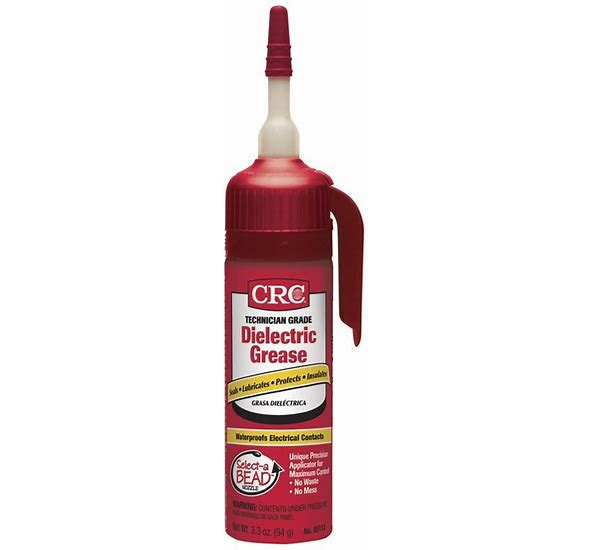
2. Why is dielectric grease useful in a swimming pool setting?
Pool environments expose equipment to:
Constant moisture
Chlorinated or salt water
Humidity and temperature swings
Dielectric grease helps:
Prevent corrosion on terminals and connectors
Reduce oxidation from chlorine or salt exposure
Improve long-term reliability of electrical connections
Make connectors easier to disconnect later
3. Can dielectric grease be applied directly to electrical ports?
Yes, but it should be applied correctly:
Apply a thin layer inside the connector housing or around the sealing surfaces.
Do not fill ports completely.
Avoid packing grease into female pin cavities unless specified by the manufacturer.
When connectors are mated, the metal contacts displace the grease at the actual contact point while the remaining grease seals out moisture.
4. How much dielectric grease should be used?
Use a light coating only. Excess grease can:
Attract debris
Make connections messy
Interfere with proper seating of connectors
A thin film is sufficient to create a moisture barrier.
5. Does dielectric grease improve electrical conductivity?
No. It is non-conductive. Its purpose is protection, not conductivity enhancement.
6. Is dielectric grease safe for saltwater pools?
Yes. It is especially beneficial in saltwater systems where corrosion risk is higher. Ensure the grease is labeled as waterproof and suitable for electrical applications.
7. How often should dielectric grease be reapplied?
Reapply:
During seasonal maintenance
When connecting new components
If corrosion or dryness is observed
8. Are there surfaces where dielectric grease should not be used?
Avoid using on:
High-voltage internal electronics unless specified
Circuit boards
Bare relay contacts
Components where the manufacturer prohibits lubricants
9. What is the basic application process?
Turn off power at the breaker.
Inspect and clean connectors with a soft brush.
Apply a thin layer of grease to the connector body or sealing surfaces.
Reconnect securely.
Restore power and verify operation.
Was this article helpful?
That’s Great!
Thank you for your feedback
Sorry! We couldn't be helpful
Thank you for your feedback
Feedback sent
We appreciate your effort and will try to fix the article